Rock Rose (Cistus Incanus)
Cistus in general has upwards of 20 possible species, and they aren’t all equal. Cistus incanus — Mediterranean Rock Rose is what this educational content will focus on.
When you see Cistus in any of our tea blends, this is the type of Rock Rose we use. We source ours from native soils over seas where it grows best, but we don’t stop there. There is one unique mountainside that has left researchers with their jaws dropped, and that’s the one we use in our Honey & Hope 61 blends. Let’s dive into the where, the what, and how, and my personal why.
A Hidden Gem:
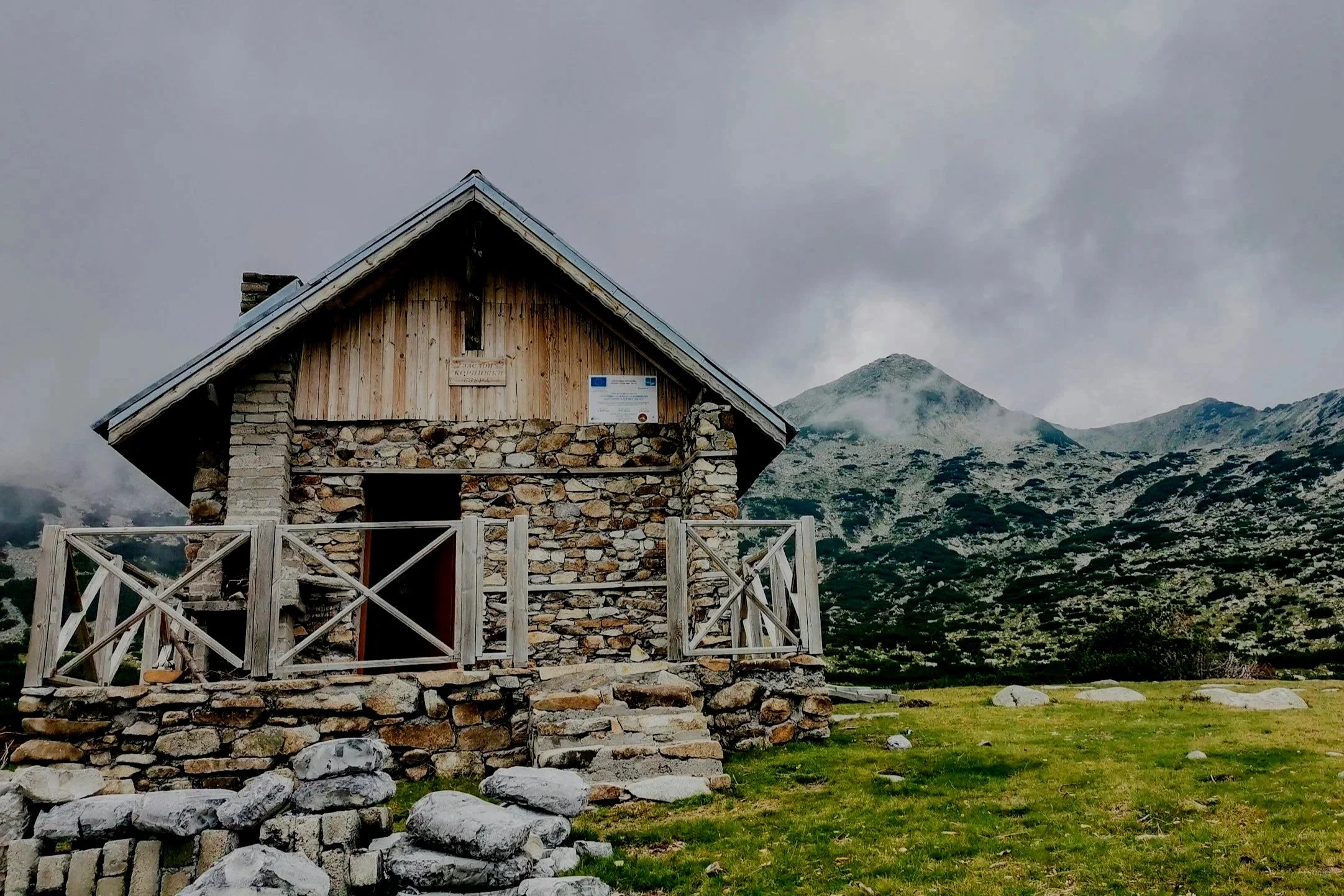
The Bulgarian Cistus of Strandja Mountain
It sounds like something from a fairy tale. But it's real.
Growing wild across these hillsides is Cistus incanus — the same rock rose at the heart of Rock Rose Honey Tea. The locals call it "Pamukliyka," the holy rose. For generations it was overlooked, unrecognized, used mainly as grazing food for goats. Nobody in Bulgarian traditional medicine was paying much attention to it.
Then researchers decided to actually test it.
What they found was remarkable. The cistus growing in Strandja Mountain turned out to have the highest flavonoid content of any cistus tested anywhere — higher than plants from Greece, Turkey, Cyprus, Morocco, and Spain combined. Flavonoids are the specific compounds in cistus most linked to its immune-supporting and antiviral properties. And unlike a lot of botanicals that lose their potency quickly after harvest, the Strandja cistus held onto its antioxidant power even in leaves that had been stored for years.
A wildflower. Growing in rocky coastal soil. Ignored for centuries. Quietly carrying one of the most potent phytochemical profiles in the entire species.
It makes you think about what else God has tucked away in forgotten places — provision hiding in plain sight, in harsh soil and salt air, waiting for the right moment to be found.
Sometimes the most powerful things are the ones nobody thought to look at yet.
What Cistus incanus is known for — at a glance:
Antiviral — interferes with the way viruses attach to and enter cells, working at the point of exposure before infection takes hold
Antibacterial & Antifungal — broad spectrum activity against a range of bacterial and fungal pathogens, including antibiotic-resistant strains
Biofilm Disruption — breaks down the protective fortress bacteria build around themselves to evade the immune system and antibiotics
Anti-inflammatory — rich in polyphenols and flavonoids that quiet inflammatory pathways at the cellular level
Antioxidant — one of the highest polyphenol concentrations of any plant in Europe, neutralizing free radicals and reducing oxidative stress
Immune Modulating — supports a balanced, alert immune response without overstimulating it — important distinction for those with autoimmune or chronic illness
Cardiovascular Support — shown in clinical study to reduce triglycerides, raise HDL, and lower oxidative stress markers
Gut & Mucosal Support — tones and protects mucous membranes throughout the digestive tract and sinuses
Oral Health — reduces bacterial biofilm and colonization in the mouth
Natural Tick & Insect Deterrent — regular consumption associated with reduced tick and mosquito attraction
Mineral & Microbiome Friendly — supports gut flora balance without the disruption associated with pharmaceutical antimicrobials
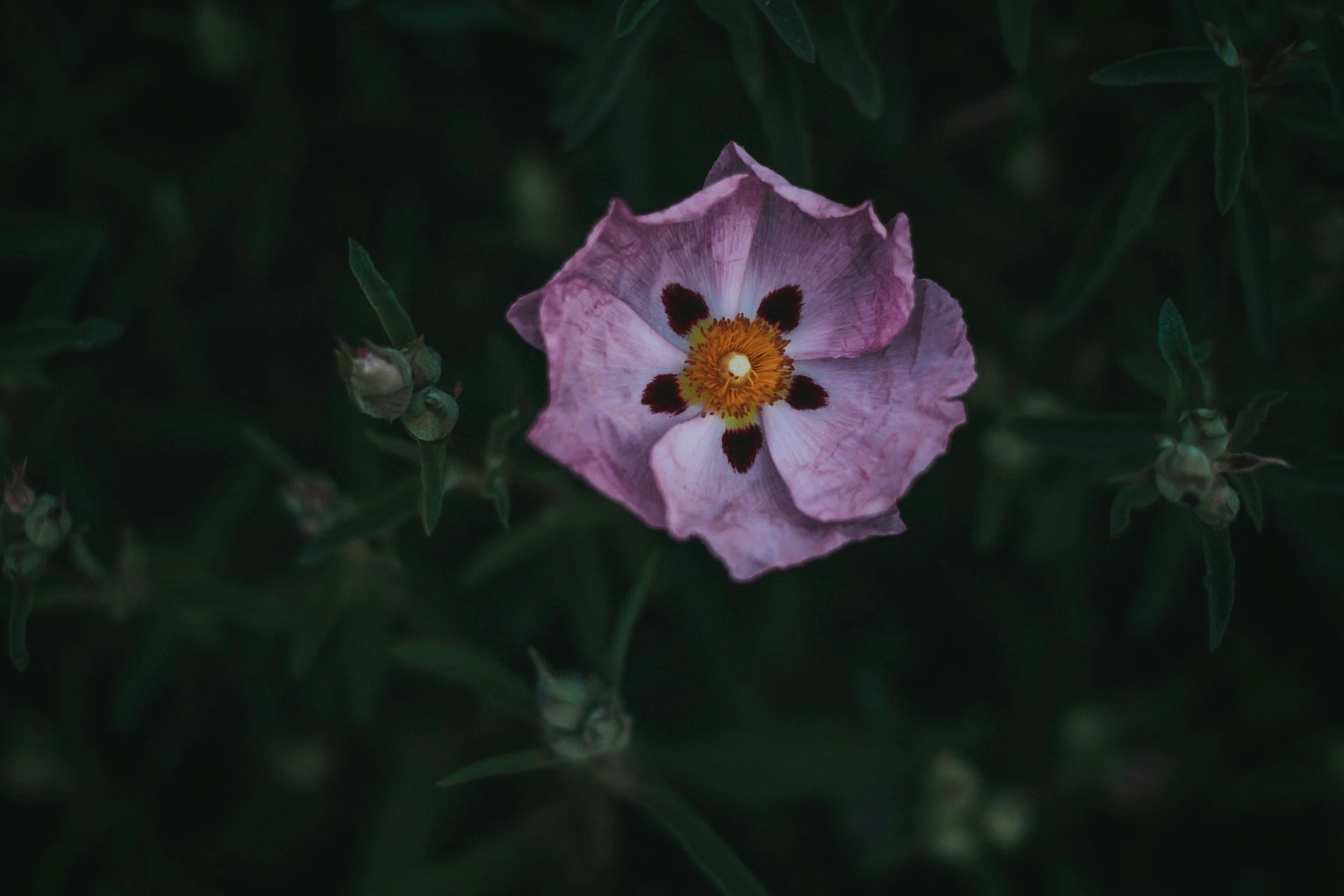
*Bulgarian Cistus Incanus photo’s are difficult to come by. I hope to travel there to collect an authentic photo one day. This is a close representative.
Cistus incanus has been used in European folk medicine for centuries, treasured across the Mediterranean for its polyphenol-rich leaves and flowers. It was named European Plant of the Year in 1999 and has since become the subject of serious scientific inquiry.
Its phytochemical profile is remarkable — dry leaves contain up to 20% polyphenolic compounds by mass, including catechins, gallic acid, rutin, quercetin, and proanthocyanidins, making it one of the most polyphenol-dense plants in Europe.
A 2020 study published in Frontiers in Medicine by Feng, Leone, Schweig & Zhang at the Johns Hopkins Bloomberg School of Public Health evaluated fourteen botanical medicines for activity against Borrelia burgdorferi in vitro. Cistus incanus was among seven botanicals identified as having notable activity against stationary phase cultures. The study was funded by the Bay Area Lyme Foundation.
In plain terms: Borrelia — the bacteria associated with Lyme disease — has a "hiding" form that even antibiotics struggle to reach. This study looked at whether certain herbs could reach it anyway. Cistus was one of seven that showed up. Think of it like a flashlight in a room where the lights have been cut — it found what was trying to stay hidden.
A 2021 study published in Cardiology Journal found that twelve weeks of daily Cistus incanus tea supplementation was associated with a 14% decrease in triglyceride concentrations, a 4% increase in HDL cholesterol, and significant reductions in oxidative stress markers malondialdehyde and advanced oxidation protein products in healthy adults.
In plain terms: Twelve weeks of drinking cistus tea daily moved real numbers on a lab panel — triglycerides down, good cholesterol up, and two markers of cellular "rust" (oxidative stress) significantly reduced. This wasn't a supplement capsule at a therapeutic dose. It was tea. Daily. Just like you'd brew at home.
A 2016 study published in Scientific Reports (Nature) demonstrated that Cistus incanus extract inhibited HIV-1 and HIV-2 isolates in vitro, including a multi-drug resistant isolate. Researchers proposed the mechanism involves large polyphenolic molecules binding to viral envelope proteins, interfering with cell entry.
In plain terms: Viruses need to grab onto your cells like a key in a lock in order to get inside and replicate. The polyphenols in cistus appear to gum up that lock — coating the virus before it can attach. What's significant is that this worked even on drug-resistant strains, which suggests the mechanism isn't something a virus can easily mutate around.
A 2007 study published in Antiviral Research found that CYSTUS052, a standardized polyphenol-rich Cistus incanus extract, demonstrated anti-influenza activity in a mouse model.
In plain terms: Before flu season hits and everyone reaches for elderberry (which we don’t blame them, I mean, have you tried our Organic Elderberry Syrup?), researchers were already looking at cistus. In this study it reduced influenza activity in living subjects — not just a petri dish. It works best as prevention, which is exactly why daily use as a cold-brewed iced tea makes so much sense.
This next one had me shook when I first started learning about Cistus almost 20 years ago. It’s why I still brew it every week.
Research published in PLOS One has also examined Cistus incanus for its anti-adherence and biofilm-inhibiting properties against oral bacteria, with fluorescence microscopy showing pronounced reduction in initial bacterial colonization following rinses with cistus tea.
In plain terms: Biofilm is basically a bacterial fortress — a slimy protective layer that bacteria build around themselves so your immune system and antibiotics can't reach them easily. It's the same reason plaque builds up on teeth and why certain infections become so stubborn. Cistus appears to break down that fortress wall. In this study they could actually see it happening under a microscope. And that was just from rinsing with the tea.
Why I Write About Herbs the Way I Do
I've lived with Lyme disease for sixteen years. I also carry several autoimmune diagnoses that have taught me, sometimes the hard way, that the body is a deeply interconnected system — and that healing it requires thinking the same way.
Over those years I've learned that some of the most powerful tools available to us are also some of the gentlest. Herbs — especially in the form of tea — have been a constant in my life precisely because of that paradox. They work slowly, thoughtfully, and in cooperation with the body rather than in opposition to it. For someone as sensitive as I am, that matters enormously.
Every blend I formulate at Honey & Hope 61 is something I have personally researched, personally made, and personally drank. Rock Rose Shield is no different. What follows is the research behind the herb at its heart — because I believe you deserve to know exactly why it's in your cup.
— Sara
Owner/Curator
These statements reflect published research on Cistus incanus as a botanical. They are provided for educational purposes and do not constitute claims about this product. These statements have not been evaluated by the Food and Drug Administration. This product is not intended to diagnose, treat, cure, or prevent any disease.
Referenced Studies
1. Anti-inflammatory / Antioxidant / Polyphenol Profile
Attaguile, G., Russo, A., Campisi, A., Savoca, F., Acquaviva, R., Ragusa, N. & Vanella, A. (2000). Antioxidant activity and protective effect on DNA cleavage of extracts from Cistus incanus L. and Cistus monspeliensis L. Cell Biology and Toxicology, 16(2), 83–90. PubMed ID: 10917563 doi: 10.1023/A:1007633824948
2. Antiviral — Influenza (mouse model)
Droebner, K., Ehrhardt, C., Poetter, A., Ludwig, S. & Planz, O. (2007). CYSTUS052, a polyphenol-rich plant extract, exerts anti-influenza virus activity in mice. Antiviral Research, 76(1), 1–10. PubMed ID: 17573133 doi: 10.1016/j.antiviral.2007.04.001
3. Antiviral — Influenza (cell culture, no toxic side effects)
Ehrhardt, C., Hrincius, E.R., Korte, V., Mazur, I., Droebner, K., Poetter, A., Dreschers, S., Schmolke, M., Planz, O. & Ludwig, S. (2007). A polyphenol rich plant extract, CYSTUS052, exerts anti-influenza virus activity in cell culture without toxic side effects or the tendency to induce viral resistance. Antiviral Research, 76(1), 38–47. PubMed ID: 17572513 doi: 10.1016/j.antiviral.2007.05.002
4. Antiviral — HIV (envelope binding mechanism)
Rebensburg, S., Helfer, M., Schneider, M., Haberle, J., Weindl, G., Koppensteiner, H., Eberle, J., Schindler, M., Gürtler, L. & Brack-Werner, R. (2016). Potent in vitro antiviral activity of Cistus incanus extract against HIV and Filoviruses targets viral envelope proteins. Scientific Reports, 6, 20394. PubMed ID: 26833261 doi: 10.1038/srep20394
5. Biofilm / Oral Health (Streptococcus mutans)
Wittpahl, G., Kölling-Speer, I., Basche, S., Herrmann, E., Hannig, M., Speer, K. & Hannig, C. (2015). The polyphenolic composition of Cistus incanus herbal tea and its antibacterial and anti-adherent activity against Streptococcus mutans. Planta Medica, 81(18), 1727–1735. PubMed ID: 26291656 doi: 10.1055/s-0035-1557822
6. Borrelia burgdorferi / Lyme Disease (Johns Hopkins)
Feng, J., Leone, J., Schweig, S. & Zhang, Y. (2020). Evaluation of Natural and Botanical Medicines for Activity Against Growing and Non-growing Forms of B. burgdorferi. Frontiers in Medicine, 7, Article 6. PubMed ID: 32154254 doi: 10.3389/fmed.2020.00006
7. Cardiovascular / Triglycerides / Oxidative Stress
Olszewska-Słonina, D.M., Matewski, D., Mątewski, D. et al. (2021). The effect of Cistus incanus herbal tea supplementation on oxidative stress markers and lipid profile in healthy adults. Cardiology Journal, 28(4), 568–576. PubMed ID: 32930371 doi: 10.5603/CJ.a2020.0118
8. Bulgarian Cistus — Strandja Mountain Source
Dimcheva, V. & Karsheva, M. (2018). Cistus incanus from Strandja Mountain as a Source of Bioactive Antioxidants. Plants (Basel), 7(1), 8. PubMed ID: 29373566PMC ID: PMC5874597 doi: 10.3390/plants7010008
9. Bulgarian Cistus — Polyphenol Composition Comparison (Bulgaria vs. Greece)
Dimcheva, V., Kaloyanov, N. & Karsheva, M. (2019). The polyphenol composition of Cistus incanus L., Trachystemon orientalis L. and Melissa officinalis L. infusions by HPLC-DAD method. Open Journal of Analytical and Bioanalytical Chemistry, 3(1): 031–038. (No PubMed ID — open access) doi: 10.17352/ojabc.000008